Apple HomePod in 2026: Worth It, and Which One?
Sep 12, 2026 · AppleBitcoin
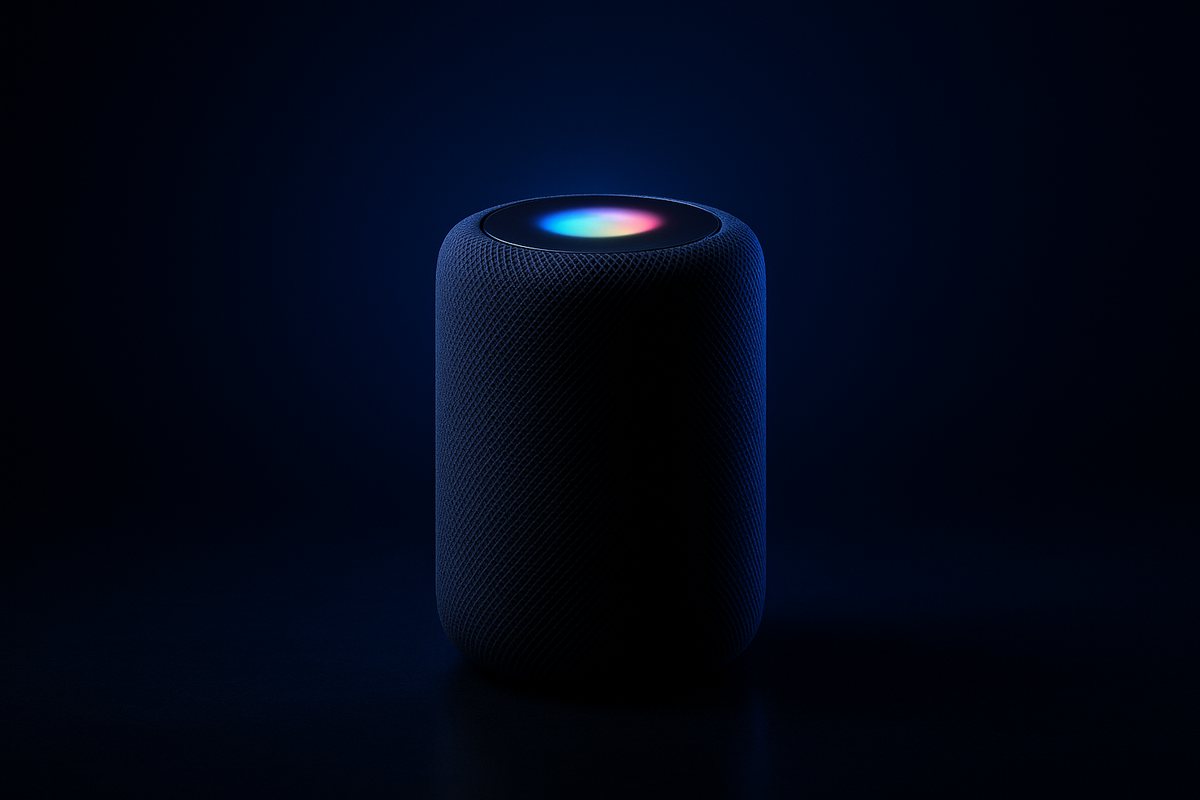
The HomePod conversation in 2026 starts with two facts people don't expect. First, there is no new HomePod — the full-size model on sale today is the 2nd generation from January 2023, and the mini dates to 2020. Second, both got more expensive this summer: Apple raised the HomePod to $349 and the mini to $129 in June 2026, citing memory chip shortages.
Paying 2026 prices for 2023 hardware deserves a clear-eyed look. Here it is.
What you get
| HomePod (2nd gen) | HomePod mini | Sonos Era 100 | |
|---|---|---|---|
| Price | $349 | $129 | $219 |
| Drivers | 4" woofer + 5 tweeters | Full-range + 2 radiators | Midwoofer + 2 tweeters |
| Room sensing | Yes, automatic | No | Manual/auto Trueplay |
| Spatial Audio / Atmos | Yes | No | No |
| Temp + humidity sensor | Yes | Yes | No |
| Line-in / aux | None | None | $19 adapter |
| Bluetooth audio from any device | No | No | Yes |
The sound itself holds up. Consumer Reports rates the 2nd-gen HomePod's overall sound quality "very good", and measurement-led reviews consistently praise the near-omnidirectional dispersion and bass, with the criticism landing on treble aggressiveness rather than anything structural. Three years on, nothing at this size embarrasses it.
What a HomePod refuses to do
This is the part that decides most purchases, and it rarely appears above the fold.
It has Bluetooth 5.0 and will not accept Bluetooth audio. The radio is there for setup and smart-home duties only. If a friend with an Android phone wants to play a song, there is no way to do it — no Bluetooth pairing, no aux jack, no line-in. Audio arrives over AirPlay from Apple devices, full stop.
Setup requires an iPhone or iPad. Not a Mac, not an Android. If you are not already inside Apple's ecosystem, this product is not partially compatible with you — it is incompatible.
Siri is the only assistant. The press consensus that Siri trails Alexa and Google Assistant for third-party control hasn't reversed, and the mini is still running the same S5 chip it launched with in 2020.
None of these are flaws exactly — they are the design. A Sonos Era 100 takes Bluetooth from anything and adds a line-in adapter; that flexibility is what its $219 buys. The HomePod trades all of it for tighter Apple integration.
The smart-home half, which is quietly the strong half
Both HomePods automatically become a home hub the moment you set them up — Apple's own support pages confirm there is nothing to configure. That matters more than it sounds:
- Remote access and automations. Without a hub, HomeKit accessories only work while you're home. With one, you can check the locks from anywhere and run automations on schedules and sensors.
- Thread border router. Both models route Thread, the low-power mesh network that Matter accessories increasingly use. Apple's guidance is explicit: "Thread-enabled Matter accessories require a Thread-enabled home hub, such as HomePod mini or Apple TV 4K."
- A hidden climate sensor. Both models measure temperature and humidity — the mini's sensor sat dormant in the hardware for over two years until Apple switched it on with software 16.3. You can trigger automations from it: fan on above 26°, humidifier below 40%.
At $129, the mini is arguably the cheapest competent Matter/Thread hub with a speaker attached, and that — not the audio — is its real job description.
The home-cinema trick
Paired with an Apple TV 4K (2nd gen or later), a stereo pair of HomePods becomes the TV's speakers, and the Apple TV's eARC support passes audio from everything plugged into the television — consoles included — through them, Dolby Atmos and all. Two full-size HomePods run $698, which is soundbar money, but it is a genuinely tidy system with no bar under the TV and it doubles as your music setup.
Known quirks, honestly
The full-size model's silicone base can leave a white ring on oiled or waxed wooden furniture — widely reported after launch, and the standing advice is a coaster or a different surface. The mini's plastic base doesn't do it. And if you're waiting for new hardware: the next HomePod has been "expected soon" in rumour coverage for over a year, tied to Apple's delayed next-generation Siri. Nothing has shipped. Buy what exists or wait indefinitely; there's no third option.
The verdict
| You | Buy | Because |
|---|---|---|
| All-Apple household, care about sound | HomePod, or a stereo pair | Best-integrated speaker Apple sells; room sensing and Atmos are real. |
| Want a smart-home hub cheaply | HomePod mini | $129 Thread border router + hub + climate sensor. The speaker is the bonus. |
| Mixed Apple/Android home | Sonos Era 100 | Bluetooth from anything, optional line-in, better radio support. |
| Waiting for HomePod 3 | Nothing yet | It doesn't exist. The 2023 model is what's for sale, now at a higher price. |
We stock the HomePod 2nd generation in white and midnight, payable in Bitcoin, Ethereum or stablecoins with free insured shipping. If you're building out the rest of the setup, the accessories range covers AirPods and charging, and the most popular Apple products by the numbers shows where the HomePod actually sits in Apple's lineup.
Frequently asked questions
Is there a new HomePod in 2026?
No. The current full-size HomePod is still the 2nd generation released in January 2023, and the HomePod mini dates to October 2020. No 3rd-generation HomePod or mini 2 has shipped as of September 2026 — coverage of a successor remains rumour, tied to Apple's delayed next-generation Siri. Both existing models actually rose in price in June 2026, to $349 and $129, with Apple citing memory chip shortages.
Can you use a HomePod with an Android phone?
Effectively no. Setup requires an iPhone or iPad, and although the HomePod contains a Bluetooth 5.0 radio, it does not accept Bluetooth audio from any device — the radio handles setup and smart-home functions only. There is no aux input either. Audio reaches a HomePod exclusively via AirPlay from Apple devices. For a mixed household, a Sonos Era 100 accepts Bluetooth from anything.
Is the HomePod mini worth it as a smart home hub?
That is arguably its best use. Every HomePod automatically becomes a home hub on setup, enabling remote access and automations for HomeKit and Matter accessories, and the mini is also a Thread border router — Apple's own documentation notes Thread-based Matter accessories require exactly such a hub. It also has a temperature and humidity sensor usable in automations. At $129 the speaker is almost the bonus feature.
Can HomePods replace a soundbar?
Yes, with an Apple TV 4K (2nd generation or later). A stereo pair set as the television's default speakers receives audio from everything connected to the TV via the Apple TV's eARC support, including game consoles, with Dolby Atmos. Two full-size HomePods cost $698, which is competitive with mid-range soundbars, and they double as your music system.
Does the HomePod damage wood furniture?
The full-size model's silicone base can leave a white ring on oiled or waxed wooden surfaces — a widely documented issue since the original HomePod, and the standard advice is to place it on a coaster or a sealed surface. The ring generally fades or wipes away over time. The HomePod mini has a flat plastic base and does not cause this.
HomePod or HomePod mini — which should I buy?
The full-size HomePod for sound: a 4-inch woofer, five tweeters, automatic room sensing and Spatial Audio the mini lacks entirely. The mini for smart-home duty: it hubs HomeKit and Matter, routes Thread and senses climate just like its bigger sibling at nearly a third of the price. If music matters, the $349 HomePod; if the speaker is secondary, the $129 mini does the same smart-home job.
Ready to buy Apple with crypto?
Genuine, sealed Apple products. Pay in Bitcoin, Ethereum or stablecoins.
Shop now